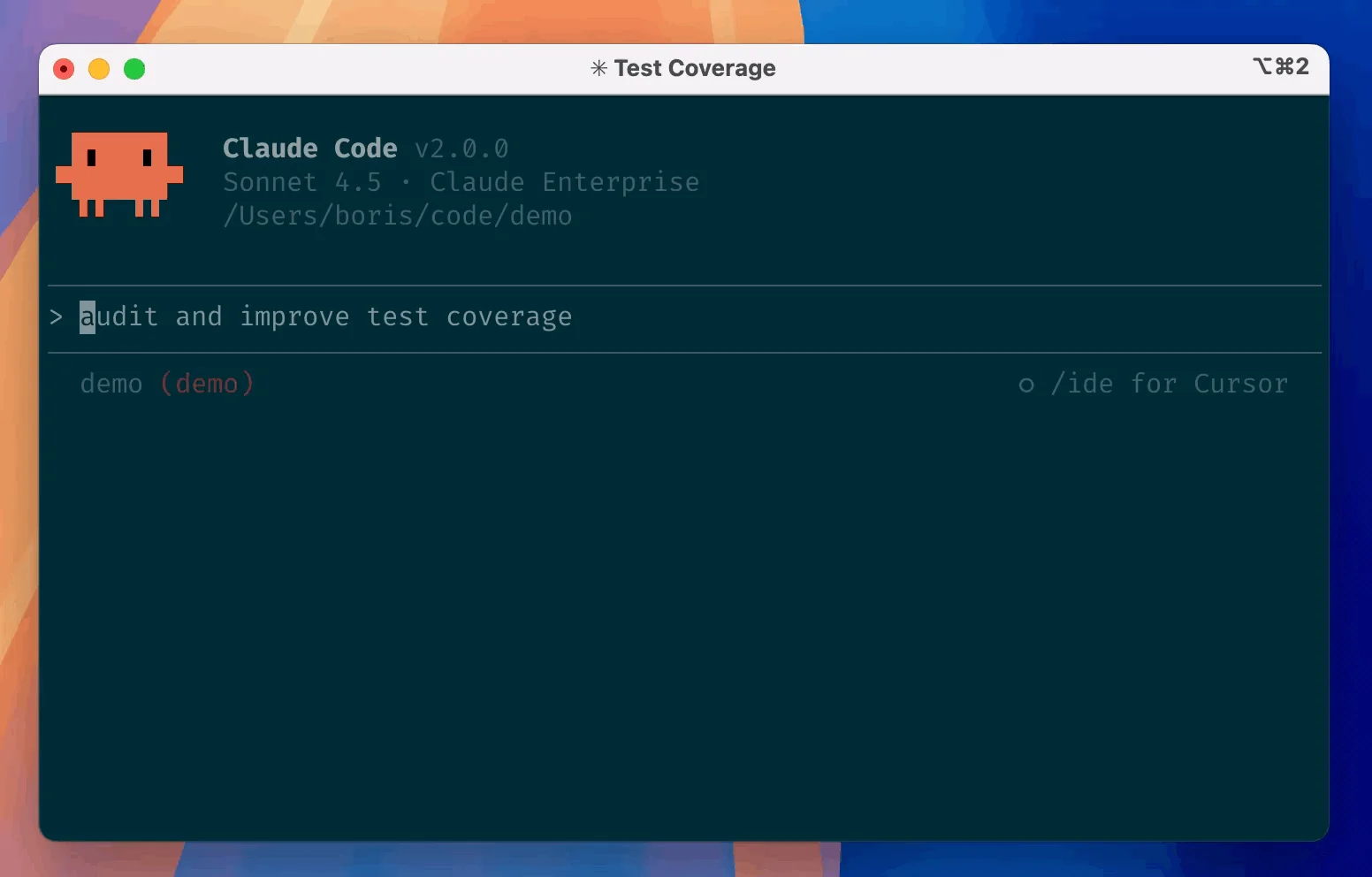
A routine npm package update turned into one of the most scrutinized open-source incidents in recent AI history. On April 1, 2026, Anthropic pushed version 2.1.88 of its Claude Code developer tool and accidentally bundled source maps that exposed nearly 2,000 source files and more than 512,000 lines of code - effectively making the full architectural blueprint of its flagship AI coding product publicly visible on npm.
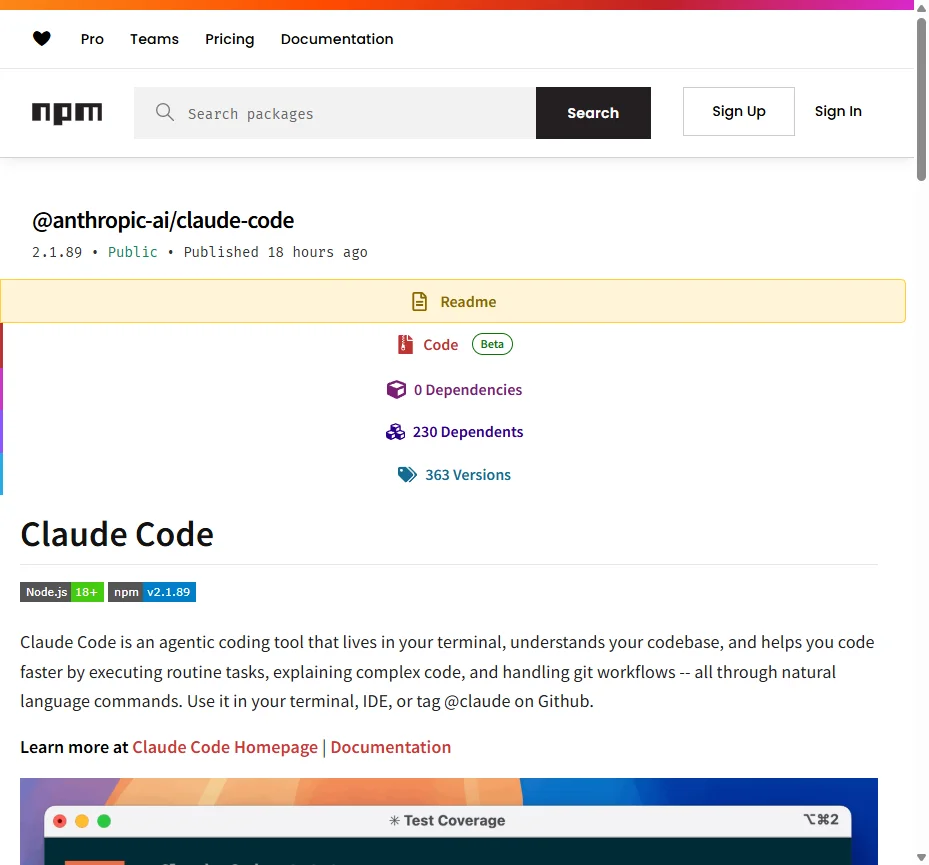
What Happened: Source Maps in npm v2.1.88
On April 1, 2026, Anthropic published version 2.1.88 of its Claude Code npm package with JavaScript source maps still bundled inside. Source maps are debugging artifacts that map minified production code back to the original, readable source - they should never ship in a public release. The result: approximately 2,000 source files totaling more than 512,000 lines of internal architecture code became freely accessible to anyone who ran npm install.
Who Found It
Security researcher Chaofan Shou, who posts as @Fried_rice on X, spotted the exposed source maps within hours of the package going live. Shou flagged the finding publicly, triggering rapid analysis from the broader developer and security research community. By the end of the day, multiple independent researchers had confirmed the contents and begun documenting what the code revealed about Claude Code's internal design.
What the Leaked Code Revealed
Developers who examined the exposed source described it as a production-grade agent architecture - not the thin API wrapper many expected. The files contained system prompts, agent behavior constraints, tool orchestration logic, and permission tier definitions that govern how Claude Code interacts with user codebases.
The Verge reported that the code also contained references to two unreleased features: a Tamagotchi-style AI companion and an always-on background agent capability. Neither feature had been publicly announced by Anthropic, meaning the leak effectively disclosed product roadmap decisions that competitors were not intended to see. For developers tracking the best AI productivity tools in 2026, those unreleased features suggest Anthropic is positioning Claude Code as far more than a standalone coding assistant.
Second Disclosure in Seven Days
The npm packaging error was not an isolated event. On March 27, 2026 - just five days earlier - Fortune reported that Anthropic had made roughly 3,000 internal files publicly accessible through a separate error. That batch included a draft announcement for an unreleased AI model called Claude Mythos, which some benchmarks placed ahead of GPT-5 and Gemini Ultra 2.0. Read our full coverage of the Claude Mythos leak and its $14.5 billion market impact.
Two accidental exposures of commercially sensitive material from the same organization in one week is unusual at any scale. For a company that has built its public brand around safety-first AI development, the pattern raises questions about internal release controls that extend beyond any single packaging bug.
Anthropic's Response
Anthropic addressed the incident quickly. The company described it as "a release packaging issue caused by human error, not a security breach," confirming that no model weights, user data, or API keys were compromised. The exposed material was limited to Claude Code's software scaffolding - the application layer that sits between the user and the underlying Claude model.
The company did not disclose whether it has implemented additional release pipeline checks in response to the back-to-back incidents. For enterprise teams weighing Claude Code against alternatives, that operational question may matter as much as model performance benchmarks. Our Claude vs ChatGPT comparison for 2026 covers the technical side of that decision, and the DeepSeek vs ChatGPT coding comparison examines how open-source models are closing the gap.
What This Means for Developers
For the developer community, the most durable takeaway may not be the leak itself but what the code revealed about production agent design. The exposed system prompt patterns, tool orchestration structures, and behavioral constraint architecture offer reference-grade material for teams building their own AI coding tools.
Developers interested in building on top of AI frameworks - whether with Claude, GPT, or open-source models - can study these patterns as part of a broader learning path. For accessible starting points, see our guide to building an AI app without writing code. Those evaluating Claude specifically should also review what Claude's free tier offers developers and explore the latest free AI tools replacing expensive software in 2026.
Enterprise Risk Assessment
For enterprise customers, the practical risk from this incident is low. Anthropic confirmed no user credentials or data were exposed. The v2.1.88 package cache on developer machines contains the source maps but does not pose a direct security threat.
The real concern is operational: an organization responsible for shipping some of the most sensitive AI product architectures in the industry was catching basic packaging errors post-publish. That process gap is fixable - and likely already fixed - but enterprise procurement teams evaluating Anthropic tools would be reasonable to request a post-incident report on release pipeline controls before expanding deployments.
Source: Chaofan Shou via X · The Verge · Fortune
Frequently Asked Questions
What exactly was exposed in the Anthropic Claude Code leak?
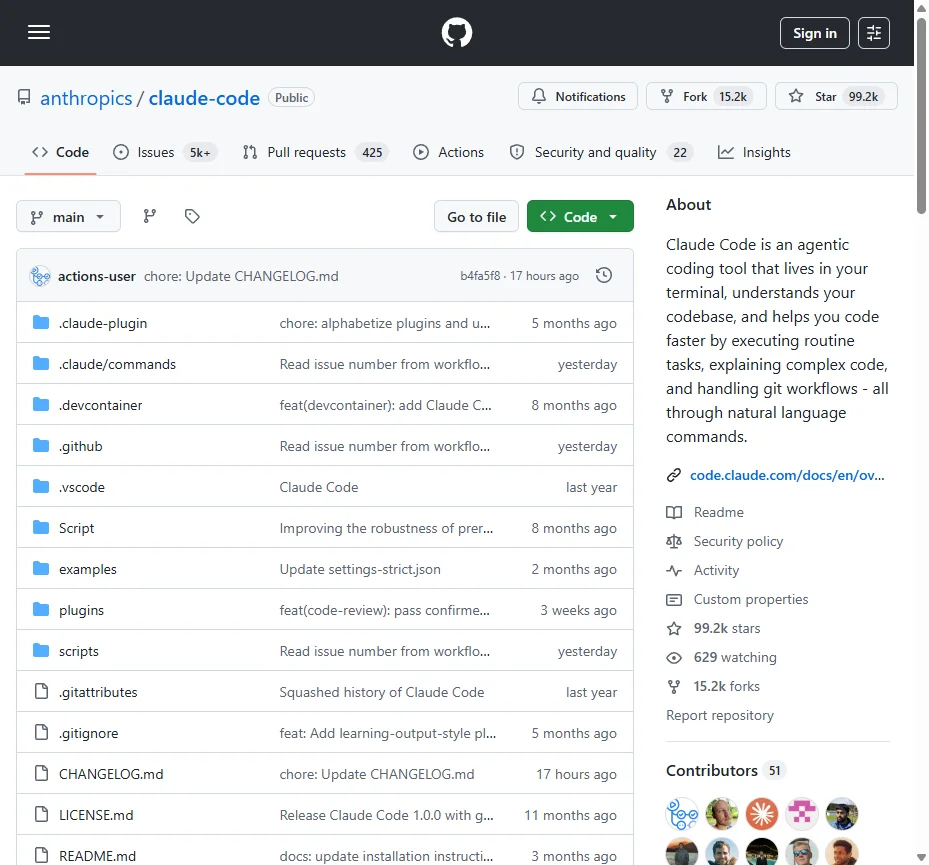
The npm package for Claude Code v2.1.88 inadvertently included JavaScript source maps, making approximately 2,000 source files and over 512,000 lines of code readable to anyone who downloaded that version. This exposed the software scaffolding layer - agent instructions, system prompts, tool definitions, and architectural logic. The underlying Claude AI model weights and all user data remained secure.
How was the Claude Code source code leak discovered?
Security researcher Chaofan Shou, posting as @Fried_rice on X, identified the exposed source maps shortly after the package was published and shared the finding publicly. Source maps are developer debugging artifacts that map minified production code back to readable source - they are useful in development but should never ship in production npm packages.
What did the leaked Claude Code source reveal?
Developers who examined the code described it as a production-grade agent architecture, not a simple API wrapper. The Verge reported that the leaked files contained references to an unreleased Tamagotchi-style AI companion feature and an always-on background agent capability - suggesting Anthropic has products in development beyond the current Claude Code feature set.
Is this the first major Anthropic accidental disclosure in 2026?
No - this was the second in a single week. On March 27, 2026, Fortune reported that Anthropic had separately made roughly 3,000 internal files publicly accessible through a different error, which included a draft announcement for a powerful unreleased AI model called Claude Mythos. Two major accidental disclosures within seven days is an unusual pattern for any organization, let alone one whose public brand centers on careful, safety-first development.
Should Claude Code users take any action after this leak?
Anthropic confirmed no user data or credentials were at risk, so no immediate security action is required. Practical steps include verifying you are running the latest patched version once Anthropic issues a clean release, subscribing to Anthropic's security advisories for enterprise deployments, and reviewing any proprietary system prompt customizations you may have built on top of Claude Code's architecture.
The Bottom Line
Two major accidental disclosures in seven days is the kind of pattern that forces hard questions - not about the model quality that has made Claude Code a competitive threat to every AI coding tool on the market, but about the release discipline of the team shipping it. Anthropic has spent years marketing itself as the careful AI company. That brand is built on the credibility of its research, the rigor of its safety work, and the reliability of its systems. A human error in an npm publish script does not undo that credibility - but it hands critics a narrative, and in the current competitive environment, narratives matter. For enterprise customers, the calculus is simple: the risk is not that Claude Code is compromised. It never was. The risk is that an organization handling the most sensitive AI product architectures in the industry is still catching basic packaging bugs in production. That gap is fixable. The question is how publicly Anthropic will commit to fixing it.
Continue reading related coverage in News or browse all stories on the articles page.