Google Maps is rolling out Gemini AI to automatically suggest captions when users share photos or videos of a place. The update also brings new media suggestions and Local Guides profile upgrades to the platform's 500 million contributors.
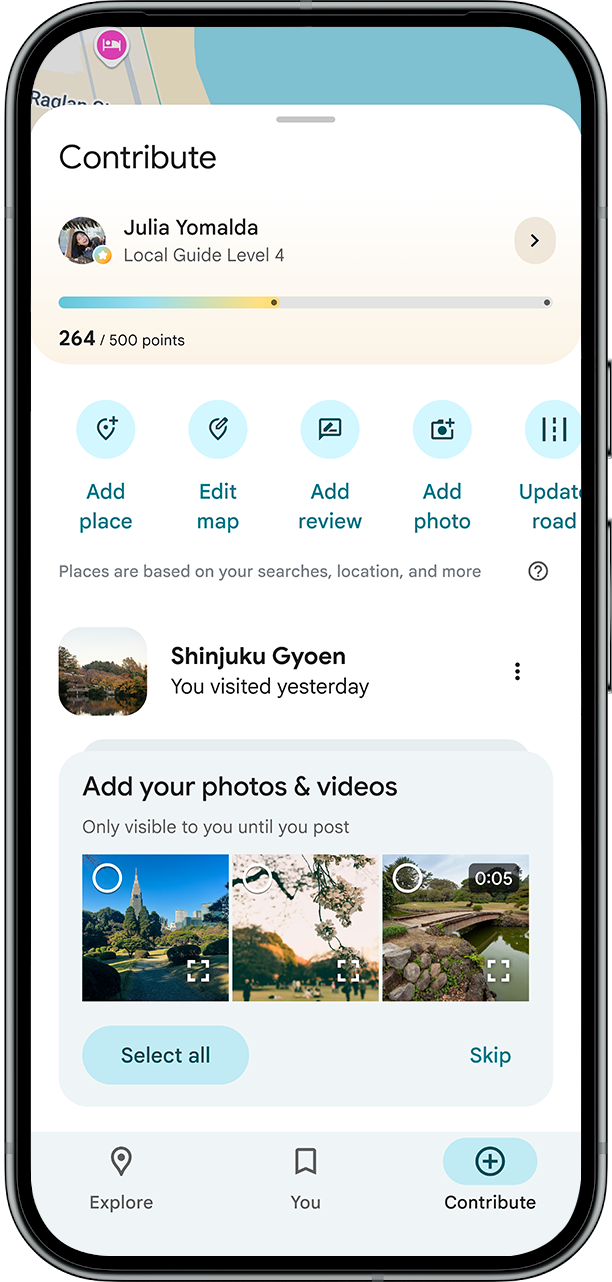
Google Maps is rolling out a new Gemini AI-powered feature that automatically suggests captions when users upload photos or videos to the platform. The update is part of a wider set of contributor improvements announced this week, covering AI writing assistance, new media suggestions, and Local Guides profile upgrades for the more than 500 million people who contribute to Google's expanding AI ecosystem every month.
How Gemini AI Generates Google Maps Photo Captions
When you post a photo or video about a place in Google Maps, Gemini AI analyzes the content and generates a caption suggestion designed to help other users understand the location. According to TechCrunch, users can accept the AI-written caption, edit it to their preference, or remove it entirely before posting. Google says the captions help convey "the overall vibe or the newest menu" of a location - context that photos alone do not always communicate.
The feature is currently rolling out in English on iOS in the United States. Google has confirmed the Gemini caption tool will expand to Android and international markets "in the coming months." This English-first, iOS-only rollout mirrors how Google has been deploying free AI tools across its product lineup in early 2026 - starting in the U.S. before broadening access globally.
New Media Access and Photo Recommendations
Google Maps is also introducing a media suggestions feature that connects with your phone photo library. Once you grant media access through your device settings, recent photos and videos appear directly in the "Contribute" tab, allowing you to post them as place contributions without navigating away from the app.
Photo and video recommendations - where Maps proactively suggests contributing media based on your recent location visits - are already live globally on both iOS and Android right now. These tools reduce the friction involved in regular contributions and reflect the wider AI productivity gains now built into everyday consumer apps. For small business owners who depend on Google Maps visibility, more frequent photo submissions from customers can directly influence how new visitors perceive a location.
Local Guides Profile and Badge Upgrades
Google is also redesigning its Local Guides program, which has grown to over 500 million contributors worldwide. Contributors will now see their total earned points displayed in the "Contribute" tab, and Local Guide levels will appear on profile pages. These changes make contributor status more visible across the platform.
Achievement badges have been refreshed with updated titles: "expert fact-finder," "master photographer," and "rising novice." High-level contributors will receive gold-colored profile displays as recognition of their activity level. Local Guides already earn points for adding photos, writing reviews, and verifying facts - the new profile upgrades are designed to make that standing more prominent within the Maps community.
AI Writing Tools Are Embedding Into Everyday Apps
The addition of Gemini AI to the Google Maps photo upload flow signals a broader product direction: AI-assisted writing is no longer a standalone feature. It is becoming the default layer inside apps people already use daily. For anyone managing a local presence on Google Maps, AI-generated captions mean more consistent photo descriptions across the platform - narrowing the gap between contributors who add detailed context and those who post without any text.
This pattern is visible across multiple platforms, where AI tools are reshaping how photo content is created and distributed. As Gemini integrates deeper into Google's consumer products, automated caption generation is moving from an opt-in feature into a standard part of the mobile content experience.
Source: TechCrunch

Frequently Asked Questions
What is the Google Maps AI photo caption feature?
Google Maps now uses Gemini AI to suggest captions when you upload photos or videos about a place. The AI analyzes the image and generates relevant text. You can accept, edit, or remove the suggestion before posting.
Which devices support Google Maps AI captions?
The Gemini AI caption tool is currently available in English on iOS in the United States. Google has confirmed it will expand to Android devices and international markets in the coming months.
Can I edit or remove AI-generated captions in Google Maps?
Yes. Google Maps gives you full control over AI-generated captions. You can accept the suggestion as written, edit it to better match your experience, or remove it entirely before submitting the photo.
What is the new Google Maps media suggestions feature?
The media suggestions feature lets Google Maps access your phone's camera roll. Once you grant permission in your phone settings, recent photos and videos appear in the Contribute tab so you can quickly share them as place contributions.
What are the new Local Guides profile updates in Google Maps?
Google now displays total earned points in the Contribute tab and shows Local Guide levels on profile pages. High-level contributors receive gold-colored profiles, and new achievement badges include "expert fact-finder," "master photographer," and "rising novice."
The Bottom Line
Google Maps' integration of Gemini AI into photo uploads brings automated writing assistance to one of the world's largest contributor platforms. With over 500 million active contributors, embedding AI captioning into the default upload flow could raise the quality and consistency of user-generated location content globally.
Continue reading related coverage in News or browse all stories on the articles page.