
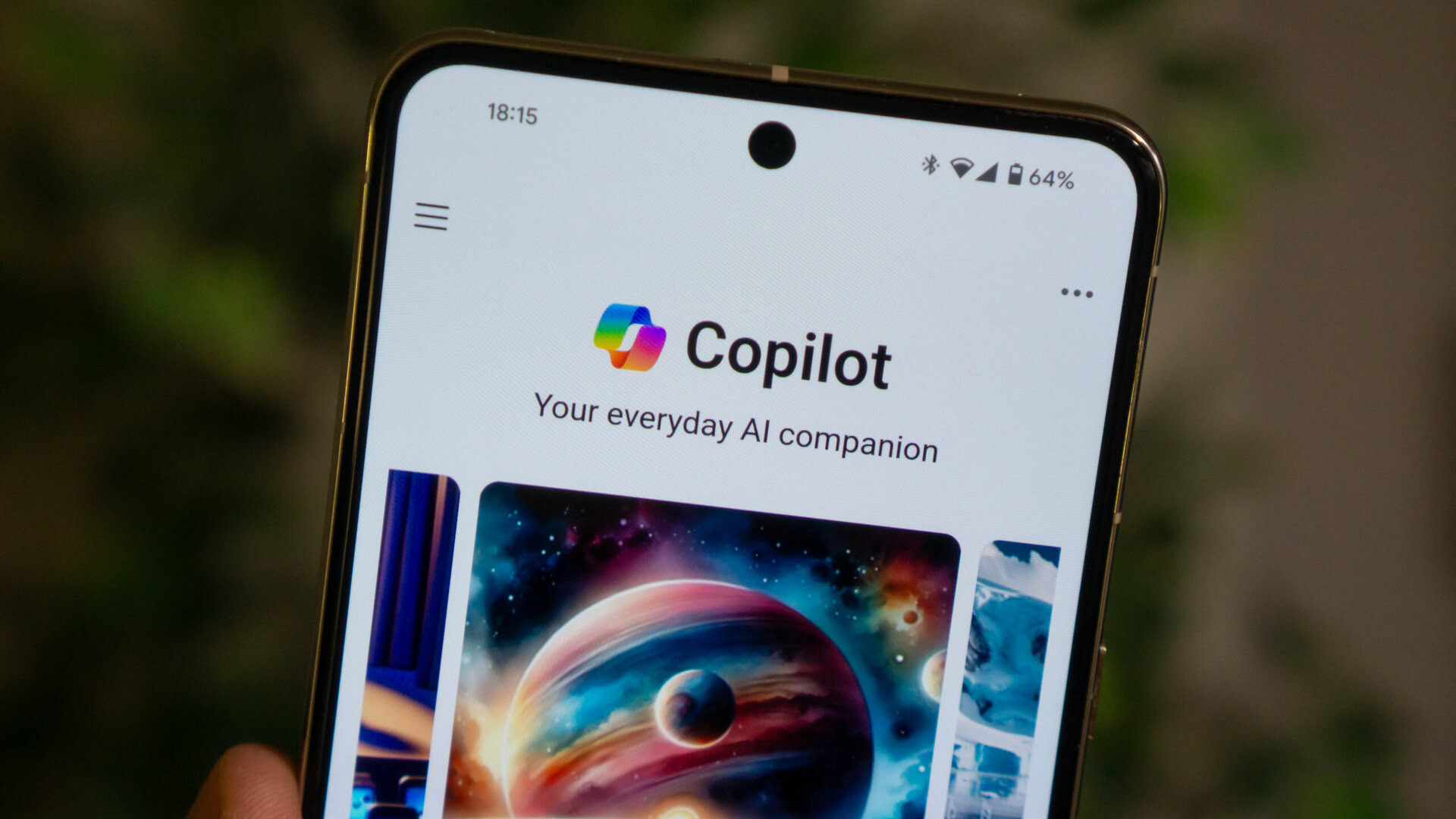
Microsoft Copilot - the AI assistant the company is aggressively pushing to enterprise customers - carries a terms of use disclaimer that labels it as being for "entertainment purposes only." The company says the language is outdated and will be updated soon.
The Disclaimer That Went Viral
Microsoft's Copilot terms of use contain a line that has been circulating on social media this week: "Copilot is for entertainment purposes only. It can make mistakes, and it may not work as intended. Don't rely on Copilot for important advice. Use Copilot at your own risk."
The terms were last updated on October 24, 2025. The disclaimer has been there for months, but it attracted renewed attention as Microsoft continues its aggressive push to sell Copilot subscriptions to both consumers and enterprises.
A Microsoft spokesperson told PCMag that the company plans to revise the language. "As the product has evolved, that language is no longer reflective of how Copilot is used today and will be altered with our next update," the spokesperson said.
Marketing vs Legal Reality
The timing is awkward. Bloomberg reported this week that Microsoft recently hit ambitious internal targets for Copilot adoption after pressure from Wall Street analysts. The company has been positioning Copilot as a serious productivity tool for knowledge workers - not a toy.
Microsoft also just released three new foundational AI models on its Foundry platform, including transcription, voice, and image generation capabilities priced to undercut OpenAI and Google. The company is clearly betting its future on AI across both consumer and enterprise markets.
Yet its own legal language tells users not to rely on the product for anything important. That contradiction is not unique to Microsoft, but the "entertainment purposes only" phrasing is unusually direct.
Every AI Company Does This
As Tom's Hardware noted, Microsoft is not alone. OpenAI's terms of use warn that its services "may not always be accurate" and should not be relied upon as a "sole source of truth or factual information." xAI similarly states that Grok's output should not be treated as "the truth."
The pattern is consistent: AI companies market their tools as transformative while their legal departments insist the output cannot be trusted. For users comparing Claude vs ChatGPT or any other AI assistant, the fine print tells a similar story across every provider.
The approach extends to free AI tools as well. Most free-tier AI products carry even broader disclaimers, often disclaiming liability for any use case whatsoever.
Why It Matters
The "entertainment only" label matters because it shapes legal liability. If a business relies on Copilot for financial analysis, legal research, or medical information and something goes wrong, Microsoft's terms of use would be a key document in any dispute. The disclaimer essentially says: we told you not to trust it.
This creates a tension for enterprise buyers evaluating AI productivity tools. Companies are spending thousands per seat on Copilot licenses for their employees, while the vendor's own terms say the tool is for entertainment.
For individual users exploring AI assistants - whether through Claude's free tier or Microsoft Copilot - the takeaway is the same: verify everything these tools produce before acting on it.
Key Takeaways
- Microsoft Copilot terms of use say it is "for entertainment purposes only" - language last updated October 2025
- Microsoft called it "legacy language" and promised an update
- OpenAI and xAI carry similar - if less blunt - disclaimers
- The disclaimer creates legal cover for Microsoft if Copilot output leads to real-world harm
- Enterprise Copilot for Microsoft 365 operates under separate commercial terms
Source: TechCrunch · PCMag · Tom's Hardware

Frequently Asked Questions
Why does Microsoft say Copilot is for entertainment only?
Microsoft's Copilot terms of use, last updated October 24, 2025, include the statement: "Copilot is for entertainment purposes only. Don't rely on Copilot for important advice." A Microsoft spokesperson called this "legacy language" that no longer reflects how Copilot is used and said it will be updated.
Does this affect Microsoft 365 Copilot for businesses?
The entertainment disclaimer appears in the consumer Copilot terms of use. Enterprise customers using Microsoft AI products through Microsoft 365 Copilot operate under separate commercial licensing agreements with different terms.
Do other AI companies have similar disclaimers?
Yes. OpenAI's terms caution users not to rely on output as a "sole source of truth or factual information." xAI tells users not to treat Grok's output as "the truth." These disclaimers are standard liability protections across the AI industry, though Microsoft's "entertainment only" phrasing is unusually blunt.
Can I still use Copilot for work tasks?
Nothing technically prevents you from using Copilot for work. The disclaimer is a legal liability shield - not a feature restriction. However, Microsoft's own terms advise against relying on it for "important advice." For productivity use cases, explore our guide to top AI productivity tools in 2026.
When will Microsoft update the Copilot terms of use?
Microsoft told PCMag that updated language will come with the "next update" to the terms. No specific date has been announced. The current terms have not been revised since October 2025.
The Bottom Line
The gap between how Microsoft markets Copilot and how its legal team describes it reveals the tension every AI company faces in 2026. These tools are powerful enough to reshape workflows but unreliable enough that no company will legally stand behind their output. Until that changes, the disclaimers will keep getting longer - even as the sales pitches get bolder.
Continue reading related coverage in News or browse all stories on the articles page.