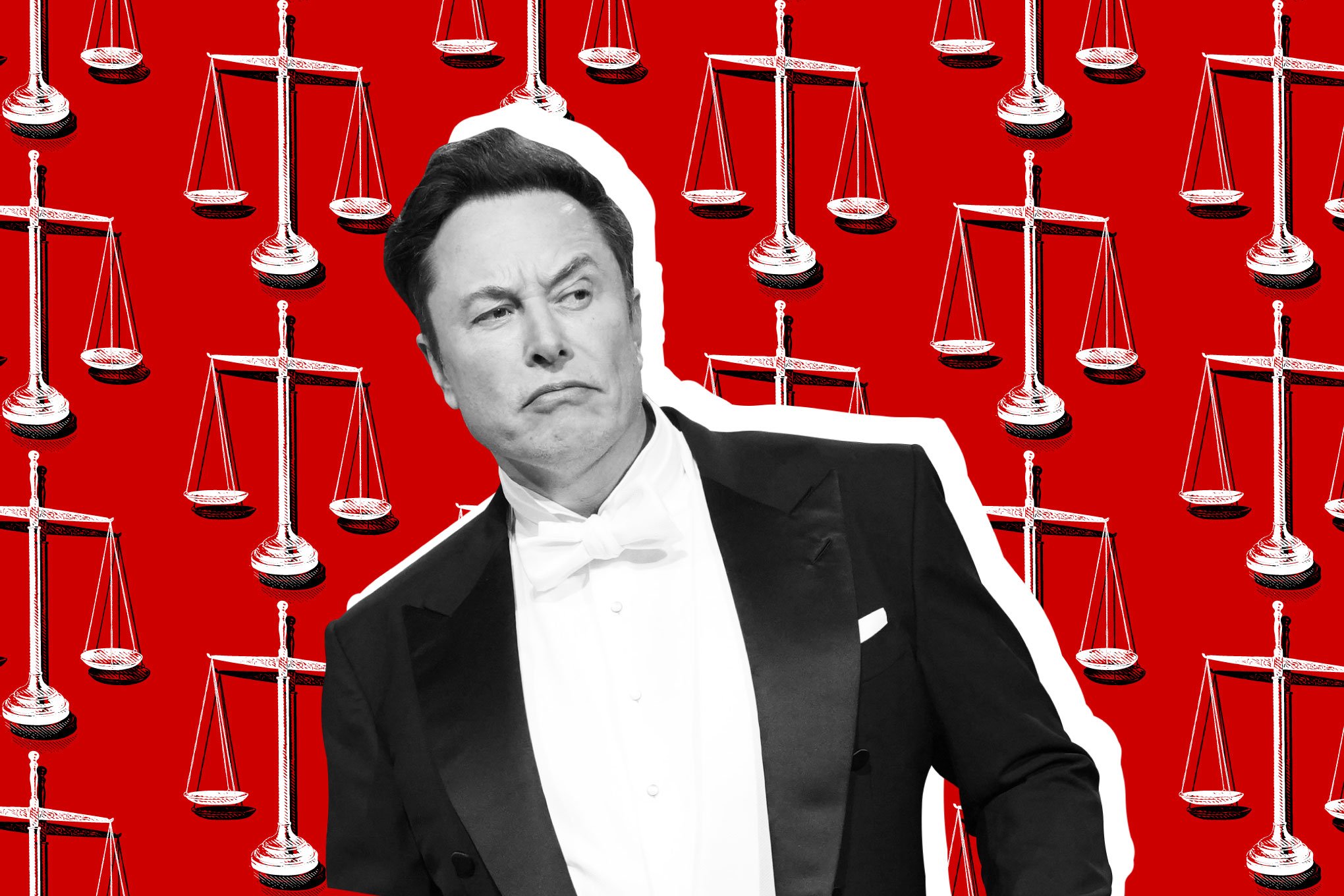
OpenAI and Microsoft have ended their exclusive AI partnership, dropping the arrangement that had given Microsoft priority rights on OpenAI's models and restricted both companies from equivalent deals elsewhere. The move frees both parties to pursue competing arrangements across the AI market.
Bloomberg reported on April 27, 2026, that OpenAI and Microsoft have ended the exclusivity arrangement that had governed their AI partnership — a deal that gave Microsoft priority commercial rights to OpenAI models in exchange for its multi-billion-dollar investment. The end of exclusivity frees both companies to pursue competing partnerships independently, marking a major structural shift in the enterprise AI market.
What the Exclusivity Agreement Covered
When Microsoft deepened its AI investment strategy, the exclusivity arrangement ensured OpenAI models were deployed primarily through Azure OpenAI Service. In practice, this meant enterprises wanting to build on GPT-4, GPT-4o, or subsequent OpenAI models at scale were directed toward Azure as the preferred — and often only sanctioned — cloud route. For Microsoft, the arrangement locked competitors like AWS and Google Cloud out of being preferred infrastructure partners for OpenAI's most commercially valuable models.
Why Both Companies Walked Away
The exclusivity served its original purpose when OpenAI needed Microsoft's capital and cloud infrastructure to scale. In 2026, OpenAI's commercial position has changed fundamentally — the company now has direct enterprise revenue, a growing developer platform, and the negotiating power to set its own distribution terms. For Microsoft, a strict exclusivity on one AI partner increasingly conflicted with its broader strategy of integrating multiple AI models across its product stack — including Mistral, its own Phi series, and Anthropic's Claude. Neither company needed the restriction anymore.
What Changes for Enterprise AI
The most immediate effect is expanded choice for enterprise buyers. Companies building large-scale AI workloads on AWS or Google Cloud can now pursue OpenAI model integrations without being pushed toward Azure. OpenAI can sign direct cloud and infrastructure agreements that were previously off-limits. For competing AI labs, the end of this arrangement also signals that the enterprise AI market is becoming a genuinely open competitive landscape — rather than one shaped by a single locked partnership between the two dominant players.
The Broader AI Partnership Race
The Bloomberg report also noted that China has blocked Meta's $2 billion bid to acquire AI startup Manus — another signal that AI partnerships and acquisitions are now subject to active geopolitical intervention. The pace of AI infrastructure deals across the industry continues to accelerate, with cloud providers, AI labs, and enterprise buyers all repositioning as the exclusivity structures of the early AI investment era are renegotiated or dissolved.
- OpenAI and Microsoft have ended their AI exclusivity deal as of April 27, 2026, per Bloomberg reporting.
- The arrangement had given Microsoft priority rights to deploy OpenAI models through Azure, limiting both parties' flexibility.
- OpenAI can now partner with AWS, Google Cloud, and enterprise clients outside Azure for large-scale AI deployments.
- Microsoft retains deep OpenAI integration across Copilot and Azure AI, but is free to expand its multi-model AI strategy.
- The move signals the enterprise AI market is entering a more open, competitive phase as early exclusivity structures unwind.
Source: Bloomberg Technology
Frequently Asked Questions
What was the OpenAI-Microsoft exclusivity deal?
Microsoft invested over $13 billion in OpenAI and in return received exclusive or priority rights to deploy OpenAI models through its Azure cloud platform. The arrangement gave Microsoft a significant commercial advantage but also limited OpenAI's ability to sign equivalent cloud partnerships with competitors like AWS or Google Cloud.
Why did OpenAI and Microsoft drop the exclusivity agreement?
Both companies appear to have outgrown the original structure. OpenAI is expanding rapidly and needs flexibility to partner with other cloud providers and enterprises directly. Microsoft, meanwhile, has been broadening its AI strategy by integrating models from Mistral, Phi, and other labs — making exclusive dependence on OpenAI strategically limiting for both sides.
What can OpenAI do now that exclusivity is dropped?
OpenAI can now sign enterprise cloud agreements with AWS, Google Cloud, and other providers. It can also negotiate direct infrastructure deals with large enterprises without being bound to route those deployments through Azure. This significantly expands OpenAI's commercial and go-to-market flexibility.
What does this mean for Microsoft's AI strategy?
Microsoft retains its deep OpenAI integration across Copilot, Azure AI, and its enterprise products, but is no longer dependent on a single AI partner. The company can now deepen its work with Anthropic, Mistral, and other labs without conflict — broadening its AI portfolio rather than betting exclusively on OpenAI.
The Bottom Line
The end of OpenAI's exclusivity with Microsoft is a structural turning point for the enterprise AI market. Both companies are now free agents in the partnership landscape — which means faster competition, more choice for enterprises, and a race among cloud providers to lock in the next generation of AI infrastructure agreements.
Continue reading related coverage in News or browse the latest articles.