
A U.S. Space Force officer is urging the Pentagon to build a commercial AI chip backup plan before a geopolitical crisis forces the issue - arguing the military cannot win an AI arms race while locking itself out of the world's most powerful computing infrastructure.
The U.S. military could face a crippling AI chip shortage in a future conflict - and a Space Force officer argues that commercial data centers may hold the answer. Maj. Katherine L. Carroll, a U.S. Space Force fellow at Georgetown University's Center for Security and Emerging Technology, published an analysis in The Hill on April 7, 2026, warning that classified AI infrastructure is too limited to handle wartime computing surges. Her piece arrives as Washington and Beijing prepare for a high-stakes meeting covering tariffs, rare earth minerals, and advanced technology exports.
The AI Chip Gap in Military Planning
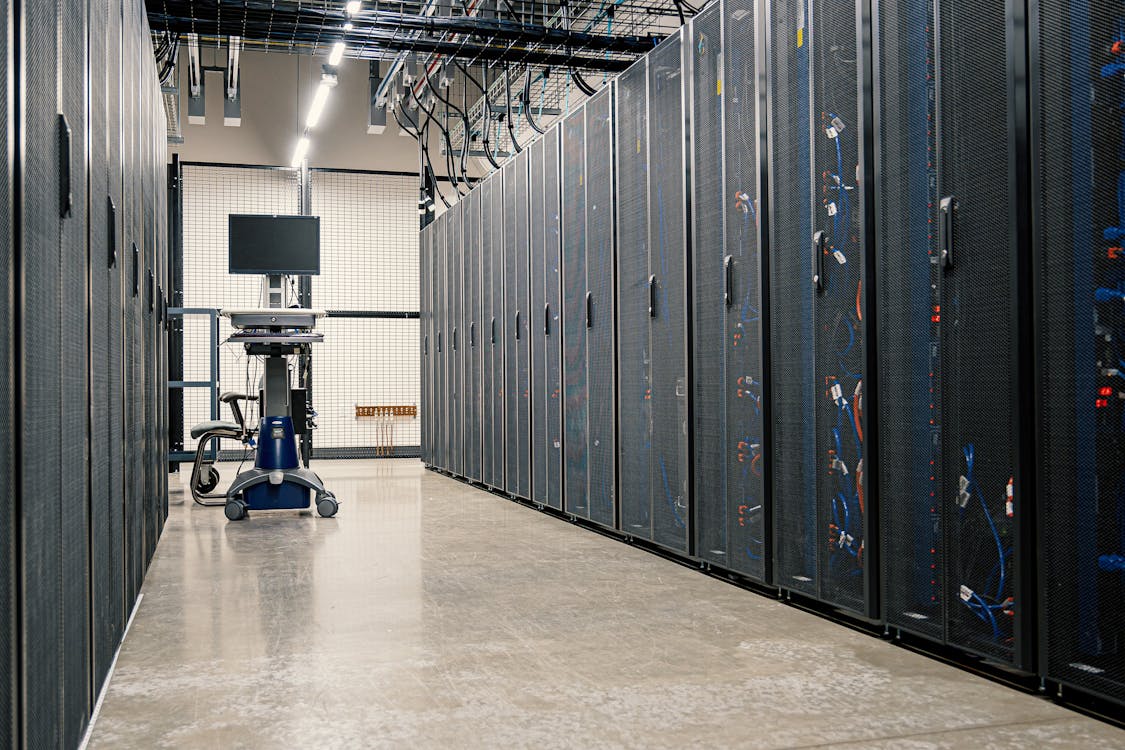
Modern battlefield AI models must be retrained continuously as conditions shift - a process requiring thousands of specialized GPUs running in parallel. The U.S. military currently runs all classified AI workloads inside physically isolated data centers on secure military bases, accessible only to vetted personnel under strict operational controls. Programs like DISA's Stratus initiative are already installing GPUs inside classified facilities, but the approach has real limits. Building enough capacity to handle a wartime computing surge means spending billions on infrastructure that sits idle between crises, while competing with commercial buyers for chips already in record demand.
Meanwhile, the commercial sector invested an estimated $320 billion in AI hardware during 2025 alone. That vast infrastructure - powering cloud AI for Google, Microsoft, and hundreds of AI-native companies - remains almost entirely off-limits for classified military use. Current compliance rules mandate physical separation of all classified workloads, creating a paradox: the nation with the world's most advanced AI industry cannot use that infrastructure for national defense.
Two Competing Paths Forward
Carroll outlines two approaches policymakers are debating. The first is to scale up physically isolated classified data centers ahead of any crisis - stockpiling GPUs inside government facilities the way previous generations stockpiled ammunition. The problem: this strategy duplicates private investment, competes with commercial buyers for high-demand chips, and may still fall short if conflict escalates faster than procurement cycles allow.
The second path is more innovative. Rather than duplicate infrastructure, the military could - under predefined emergency conditions - temporarily run classified workloads on commercial GPUs using advanced software-based security controls. Google Cloud already holds Department of Defense Impact Level 5 certification, demonstrating that software controls can protect sensitive government data without full physical separation from commercial hardware. The model already works at smaller scale - the question is whether emergency frameworks can expand it when crises demand it.
Carroll draws a direct parallel to the Civil Reserve Air Fleet, which lets the U.S. military rapidly access commercial aircraft capacity during emergencies without owning the fleet. A similar contractual mechanism for AI chip infrastructure could provide GPU surge capacity precisely when needed - at a fraction of the cost of permanently duplicating it inside classified facilities.
Why the Stakes Extend Beyond Procurement
The strategic implications go beyond budget debates. The U.S. holds genuine advantages in commercial AI infrastructure: the most advanced chip designs, the deepest capital markets, and the largest AI talent base globally. But those advantages evaporate if military planning frameworks cannot leverage them. The U.S.-China AI competition is accelerating, and Beijing faces no equivalent regulatory barrier between commercial and military AI capabilities - Chinese firms operate under directives to support national defense on demand.
Carroll acknowledges that software-based security controls are not foolproof - they are harder to verify than physical air gaps, and adversaries capable of sophisticated AI-enabled cyberattacks could target vulnerable commercial systems. But in a fast-moving conflict, the ability to access commercial GPU capacity and retrain a critical AI model in days rather than weeks could be decisive. The security tradeoff is real - but so is the risk of being too slow to adapt.
Her core policy recommendations point at a structural failure in U.S. defense innovation: private capital has already built the infrastructure the military needs, but regulatory frameworks designed for an earlier computing era prevent access to it. Carroll calls on Congress and the Pentagon to fund research into secure commercial AI workloads, resist the impulse to duplicate private investment in idle classified hardware, and create emergency contracting mechanisms for commercial GPU surge capacity before a crisis demands them.
Key Takeaways
- The U.S. military's physically isolated data centers cannot scale fast enough to support AI retraining demands in a high-intensity conflict.
- A Space Force officer recommends treating commercial AI data centers as mobilizable national resources - modeled on the Civil Reserve Air Fleet.
- $320 billion was invested in commercial AI hardware in 2025 alone; nearly all of it is off-limits for classified military workloads under current rules.
- Google Cloud's DoD Impact Level 5 certification shows software-based security controls can protect sensitive government AI without full physical separation.
- Without a commercial backup plan, the U.S. risks losing its AI infrastructure advantage in the scenarios where it matters most.
Source: The Hill

Frequently Asked Questions
Why does the U.S. military need a commercial AI chip backup plan?
In a conflict, AI models must be retrained rapidly as battlefield conditions change, requiring thousands of GPUs. The U.S. military's classified AI chip infrastructure is too limited to handle sudden demand surges - a commercial backup plan would prevent the military from being caught unprepared when computing capacity matters most.
What is the DISA Stratus program?
Stratus is a Defense Information Systems Agency program that physically installs GPUs inside classified military data centers on secure bases. While it expands chip availability for classified AI workloads, critics argue it creates expensive idle infrastructure that still may not provide enough scale during a full-scale conflict.
Can commercial data centers be used for classified military AI workloads?
Not under current regulations, which require classified workloads to run in physically isolated facilities. A Space Force fellow argues the military should develop emergency frameworks to temporarily run classified AI on commercial GPUs using software-based security controls - similar to how Google Cloud already holds DoD Impact Level 5 certification for sensitive government data.
What is the Civil Reserve Air Fleet and how does it apply to AI?
The Civil Reserve Air Fleet allows the U.S. military to access commercial aircraft rapidly during emergencies without owning them. Georgetown researcher Maj. Carroll proposes applying the same model to commercial AI data centers - giving the military surge GPU capacity when needed without permanently duplicating private investment in classified hardware.
How does the U.S.-China AI race relate to military chip planning?
The U.S.-China AI race directly affects military readiness. China integrates AI from state-directed firms into its military without regulatory barriers, while U.S. defense rules prevent leveraging the country's advanced commercial AI infrastructure. Without reform, this regulatory gap could erode America's AI leadership precisely when it matters most.
The Bottom Line
The U.S. holds a genuine lead in AI hardware and talent - but that advantage means nothing if the military cannot access it when conflict demands it. Reform is not optional.
Continue reading related coverage in News or browse all stories on the articles page.