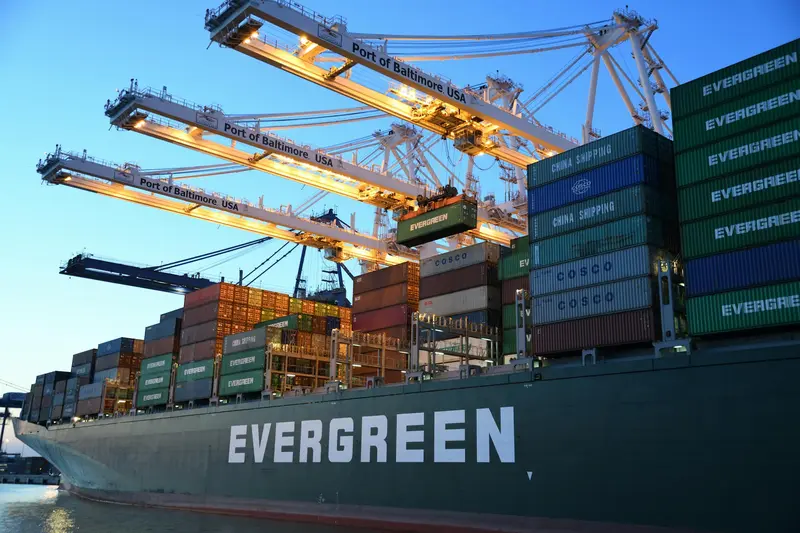
Forty-three days into the Iran war, the ceasefire that came into effect on April 8 has not translated into a reopening of the Strait of Hormuz. As of April 12, 2026, hundreds of vessels remain stranded or navigating with extreme caution near the waterway that once handled roughly 20% of the world's daily oil supply. The Islamabad peace talks underway this weekend represent the only near-term mechanism to formally resolve the strait's status.
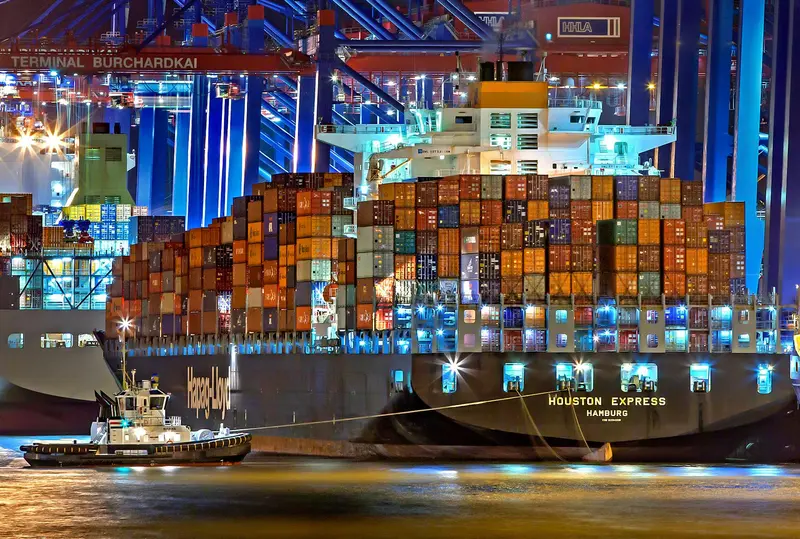
Six weeks after the Iran war began on February 28, 2026, and four days into a fragile ceasefire, the Strait of Hormuz remains one of the most congested and dangerous maritime zones on the planet. Hundreds of oil tankers, container ships, and liquefied natural gas carriers have been stranded in the region since the conflict erupted, and the ceasefire has so far had minimal impact on whether they can safely transit the waterway.
The Scale of the Blockade
Before the war, the Strait of Hormuz carried approximately 20% of the world's daily oil supply - around 21 million barrels per day plus significant natural gas volumes. That flow has been reduced to a trickle for six weeks. Analysts estimate 85% to 90% of normal Hormuz throughput has been disrupted. The result was a direct cause of US gas prices crossing $4 per gallon, Brent crude spiking past $102 per barrel, and March CPI data printing at 0.9% on an energy-driven beat.
Why the Ceasefire Has Not Opened the Strait
The April 8 ceasefire addressed direct military exchanges between US and Iranian forces. It did not formally address the Strait of Hormuz. Iran's position - stated as a non-negotiable condition at the Islamabad peace talks - is that it holds full sovereignty over the strait. Until that demand is resolved, Iranian authorities have not issued formal clearance for commercial shipping to resume.
Commercial insurance is the practical mechanism keeping ships away. Lloyd's of London and major war risk underwriters suspended normal coverage when hostilities began. Rates for vessels that did attempt transit rose 400% to 900%. Without insurance, shipping companies cannot move oil for their major counterparties. The insurance market will not restore normal coverage until political and military conditions definitively change - which means a formal Hormuz agreement at Islamabad is the prerequisite for economic normalisation.
Gulf State Damage Assessment
The strikes on Gulf states before the ceasefire were extensive. Iran launched 12 ballistic missiles, two cruise missiles, and 19 drones at UAE targets. Kuwait's military engaged 14 ballistic missiles, two cruise missiles, and 46 drones in Kuwaiti airspace. The Iranian drone strike that hit Kuwait International Airport's fuel storage facility in Farwaniya Governorate caused a fire that burned for hours. Ali Al Salem Air Base in Kuwait was struck, wounding 15 Americans.
All Gulf Cooperation Council states have suspended normal operations in the most exposed areas, and regional port throughput has fallen sharply. The economic cost of the Gulf state disruptions, combined with the Hormuz shipping loss, represents one of the most significant short-term supply chain crises since the Suez Canal blockage of March 2021 - on a much larger scale with no quick resolution in sight.
The Islamabad Factor
All paths to reopening the Strait of Hormuz now run through the Islamabad talks. The US and Iran are meeting directly for the first time since 1979 in Pakistan's capital, with the primary US priority being resolution of the Hormuz situation. The two-week ceasefire expires around April 22. If the talks produce a Hormuz framework before that date, shipping could begin to normalise within days as insurance markets move first to restore coverage.
For energy markets and the thousands of companies whose supply chains depend on Gulf oil flows, the next 10 days represent the critical window. The Lebanon situation complicates the picture - but the Strait of Hormuz is where economic pressure is most acute, and where the incentive for both sides to reach agreement is strongest.
Source: Britannica - 2026 Iran War · CSIS · Wikipedia - 2026 Iran War Ceasefire
Frequently Asked Questions
Why are ships still stranded if there is a ceasefire?
The ceasefire between US and Iranian military forces paused direct hostilities but did not formally resolve the status of the Strait of Hormuz. Iran's demand for "full sovereignty" over the strait - one of its four non-negotiable conditions at Islamabad - remains unresolved. Commercial insurers have not yet restored normal coverage, and the Iranian Revolutionary Guard Corps has not issued formal clearance for shipping to resume. Vessels are waiting for clarity before risking transit.
How much oil has been disrupted by the Hormuz blockade?
The Strait of Hormuz carried roughly 20% of the world's daily oil supply before the conflict began. That flow has reduced to a trickle - analysts estimate 85% to 90% of normal volume has been disrupted. The impact directly caused Brent crude to exceed $102 per barrel in March and drove the US national average gas price past $4 per gallon. Even with CPI data showing some easing, the backlog of stranded vessels means full supply normalisation is still weeks away.
What attacks occurred on Gulf states before the ceasefire?
Iran launched multiple waves of strikes on Gulf states. UAE was targeted by 12 ballistic missiles, two cruise missiles, and 19 drones. Kuwait faced 14 ballistic missiles, two cruise missiles, and 46 drones. A major fire broke out at Kuwait International Airport's fuel storage facility after a drone strike. Fifteen Americans were wounded in an Iranian attack on Ali Al Salem Air Base.
What is the economic cost of the Hormuz blockade?
US gas prices crossing $4 per gallon pulled an estimated $400 million per day out of consumer spending. Shipping insurance rates skyrocketed. The US Postal Service sought an 8% surcharge. FedEx and UPS raised fuel surcharges. Grocery inflation accelerated as diesel hit $5.45 per gallon. The International Energy Agency released 400 million barrels from emergency stockpiles - but full consumer relief lags by weeks.
What would it take to fully reopen the Strait of Hormuz?
Full reopening requires a formal agreement on Hormuz's legal status at the Islamabad talks, Iranian Revolutionary Guard withdrawal from enforcement positions, written clearance from Iranian maritime authorities for commercial transit, and restoration of commercial shipping insurance coverage by Lloyd's of London and other major underwriters. Each step has its own timeline, meaning full normalisation could take several weeks after a political agreement is reached.
The Bottom Line
Continue reading related coverage in News or browse all stories on the articles page.